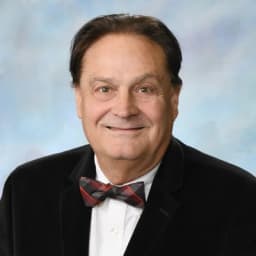
Rep. Mike Stevens on
Guns & 2nd Amendment
5 bills voted on
Votes
Requires mental health records to be added to and removed from the federal gun background check system.
This bill modifies mental health reporting requirements to the National Instant Criminal Background Check System (NICS). It shortens reporting timeframes from seven working days to two hours for prosecutors and the attorney general. It expands reporting to include persons ordered apprehended under involuntary commitment petitions, regardless of the final outcome. It requires the attorney general to request removal of certain mental health information from NICS after 18 months and notify affected individuals. It also expands reporting requirements to include all persons who are the subject of involuntary commitment petitions, whether the commitment is ordered or denied.
Allows certain school employees to carry concealed guns at work.
This bill adds a new category of school district employees who can carry concealed pistols on school property. It allows employees 21 or older with enhanced concealed carry permits to possess or store concealed pistols in schools if they notify local law enforcement. Most significantly, it creates a new section explicitly stating that school districts are not liable for any damages or penalties resulting from firearm use by individuals described in the specified exemptions (including both those with principal permission and the new employee category).
Removes special permit requirement for concealed carry on college campuses.
This bill removes the requirement for enhanced permits to carry concealed pistols on public higher education campuses. Currently, only individuals with enhanced permits, restricted enhanced permits, or reciprocal permits can carry concealed pistols on campus. The bill would allow any individual to lawfully carry concealed pistols on technical education and university campuses without requiring these enhanced permits.
Allows people to own firearm silencers without special permits.
This bill removes firearm silencers from the definition of 'controlled weapon' in South Dakota criminal law. Currently, controlled weapons include firearm silencers, machine guns, and short shotguns. After this change, controlled weapons would only include machine guns and short shotguns, while firearm silencers would be treated as regular firearms under state law.
Prohibits state resources from enforcing federal gun laws.
This bill prohibits South Dakota state and local officials from providing material aid to enforce federal firearm measures that are more restrictive than state law and take effect after July 1, 2026. It defines material aid as assistance with investigations, detention, or arrest including sharing information, using equipment/facilities/personnel, funding, or joint task force participation. Violations are Class 1 misdemeanors. The bill creates a private civil cause of action allowing lawsuits against the state or local governments for violations, with penalties up to $50,000 per violation plus attorney's fees. It also allows whistleblower complaints to the attorney general and provides retaliation protection for employees who report violations.